
Be ready when it counts.
The preparedness library in your pocket: 222 books, 621 how-tos, answers to your questions, your county's map and your household's plans, all working with no signal.
Half off at launchBuy it once. No subscription.
Download it once, while you have a connection. Then use it anywhere.
No card needed to look around. No ads. We don't sell your data.
- 222 books and 185 field guides on your phone, with no signal
- Ask: type a question, get the answer in the source's own words
- 621 step-by-step how-tos
- Fix it for 54 kinds of household equipment, safety checks first
- Offline maps of your county (your own county included): trails, dirt roads, flood zones, public land
- Your household's plan on one page, printed for the fridge
- Blackout mode: one tap to a red-light screen with what you need in an outage
- Practice with 288 drill cards and hands-on first-aid scenes
- Half off for as long as you stay a memberPay once and keep it. Nothing renews.
Your county, every layer, with no signal.
Download your county's map once, while you have a connection. After that it opens in airplane mode, and your phone's GPS still finds you on it: GPS is a receiver, so it needs no network.
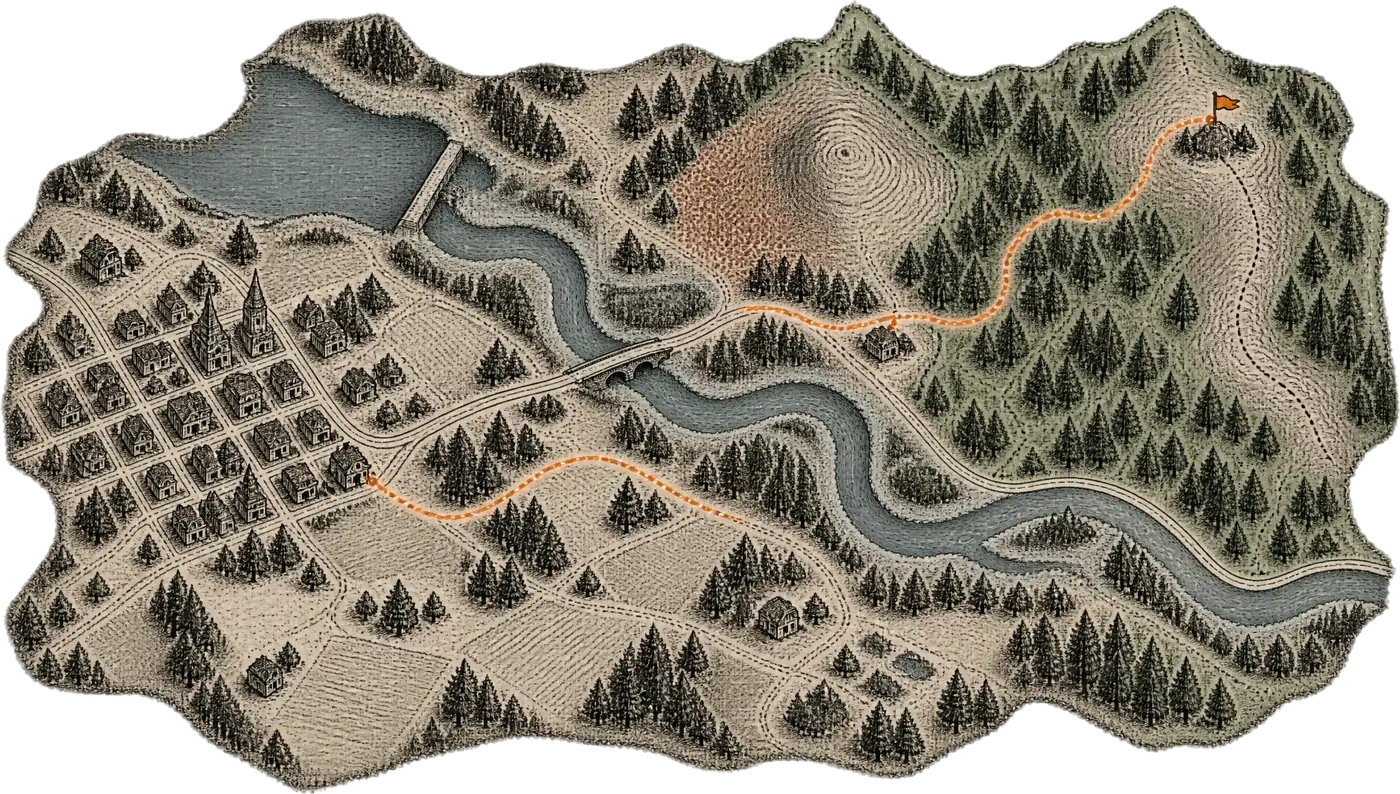
Layers
Turn each one on or off.
Base
- Streets and places
- Trails
- Dirt roads and tracks
- Contour lines
- Aerial photos
- 3D buildings, zoomed in
Hazards · the six your plan is checked against
- Flood zones
- Dams
- Bridges
- Wildfire hazard
- Nuclear plants
- Chemical sites
Yours
- Public and tribal land
- Your plan: rally points and routes
-
Trails and back roads
Footpaths, bike paths, bridleways and named trails, and the dirt roads and tracks most road maps leave off, from OpenStreetMap.
-
Who owns the land
Tap any piece of land to see who manages it, from the Forest Service and BLM to state, county and tribal land, and whether the public can go there: open, restricted or closed.
-
A plan checked against the map
Set your rally points and draw your routes. Minuteman checks them against the six hazard layers, says what it found and where, and prints the plan.
-
A survey of your county
34 things worth knowing in 9 topics, from springs and pharmacies to fuel and choke points. The map suggests places; you mark and check them. Places, never people.
The Maps page and your own county's map come with a membershipbuying Minuteman. Each further county's map is $1.99, paid once and yours to keep, for any of the 3,144 counties and county equivalents in the 50 states and D.C. A county's map is built when you choose it and is usually ready within two hours. Contour lines and aerial photos are your choice when you download, where the county has them.
The preparedness library in your pocket.
When the power goes out and the cell network jams, most apps stop working. Minuteman doesn't. Sign in once with a connection, and after that the app, your plans and everything you keep on your phone work in airplane mode.
Type "tourniquet", "frostbite" or "boil water" and Minuteman searches every word of the manuals and field guides, right on your phone, with no signal. It catches half-typed words and near misses, shows you the line that matched, and opens the page.
- 222books
- 185field guides
- 621how-tos
- 1,604manual pages searched offline
Reading the manuals and field guides, and keeping them on your phone, come with a membershipbuying Minuteman.

- CERT Basic Training Disaster Medical Operations, Part 1 EMS professionals are delayed in responding, a tourniquet may be a viable option to save a person from bleeding to death.
- CERT Basic Training Disaster Medical Operations, Part 1 you are more likely to save a life than cause the loss of a limb if you use a tourniquet.
- ATP 3-50.21 Survival Survival Medicine Do not tighten the tourniquet more than necessary to stop the bleeding.
On the shelf: 13 core manuals
- FEMA's Are You Ready? (2002 and 2020 editions), CERT Basic training, and FEMA's guide to alerts and warnings
- U.S. Army Survival (FM 21-76 and ATP 3-50.21)
- U.S. Army first aid and casualty care (ATP 4-02.11)
- Field hygiene and sanitation (TC 4-02.3)
- Map reading and land navigation (FM 3-25.26)
- Heat illness and cold-weather injuries (TB MED 507 and 508)
- The 1948 Civil Defense report and the Defense Department's 1994 Manual for Civil Emergencies
The Skills library
209 public-domain skill books in 34 topics, from first aid and dental care to plumbing, radio, farming and food preservation. Download the topics you want; they open with no signal.
Minuteman remembers where you left off in every book, and keeps your bookmarks.
Ask
Type a question, like "boil water notice" or "food in the freezer after a power cut", and Minuteman answers on your phone in the source's own words: the rule, the steps and the page they came from. It searches 11,620 passages with no signal, and every skill-book topic you download joins in.
How To
621 everyday jobs in 11 categories, from disinfecting water with bleach to digging a well by hand, each one pointing to the exact pages that teach it.
You choose what lives on your phone
The Offline library shows what your phone holds, what it could hold, and how big each piece is before you download it. Add the field guides and scenarios with one tap, or pick exactly what you want.
Blackout mode
One tap strips the app down to what you need in an outage: a dark, red-light screen, with no network needed.
Half off, for as long as you stayBuy it once. It's yours.
The launch price is $4.99 a month, half off, for as long as you stay a member. Cancel anytime from Profile → Account.
The thing you count on when the power is out shouldn't be one more bill. Minuteman is $9.99, one time, and your county's map comes with it.
-
One payment
No monthly charge, no renewal date, and nothing to cancel.
-
Nothing runs out
No clock ends what you bought. What you keep on your phone opens with no signal for as long as you keep it.
-
New books, only if you want them
Books and guides published later come in an optional $2.50 library update. Skip it and keep what you have.
-
Your county's map included
Choose your own county after you buy. Its map is usually ready within two hours. Each further county is $1.99, paid once: the one where family lives, say.
Plus tax where it applies. All sales are final.
Skills your street can count on.
These come with a membershipbuying Minuteman. Open one of each to see it.
-
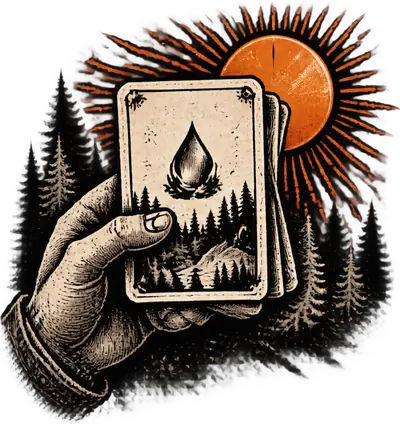 288 drill cards on decisions
that matter when help is slow: bleeding, heat, cold, water, fire.
-
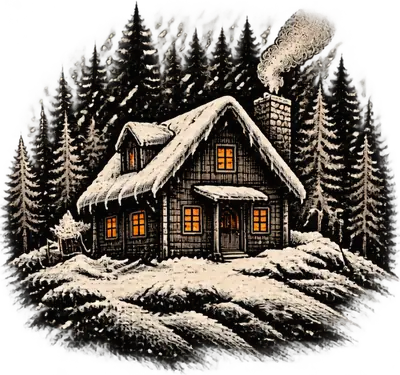 10 story scenarios A winter
storm, a flood, a long blackout and more. You make the calls and see what
happens.
-
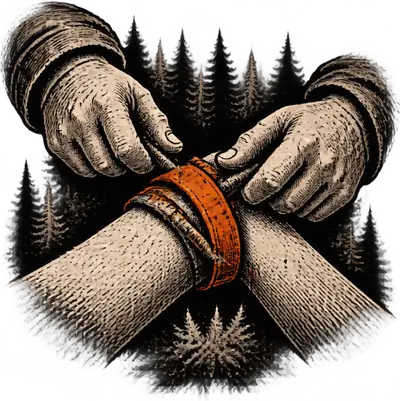 8 hands-on first-aid scenes You
do the steps yourself on screen: a chainsaw cut, a bad burn, a bee swarm, a
near-drowning.
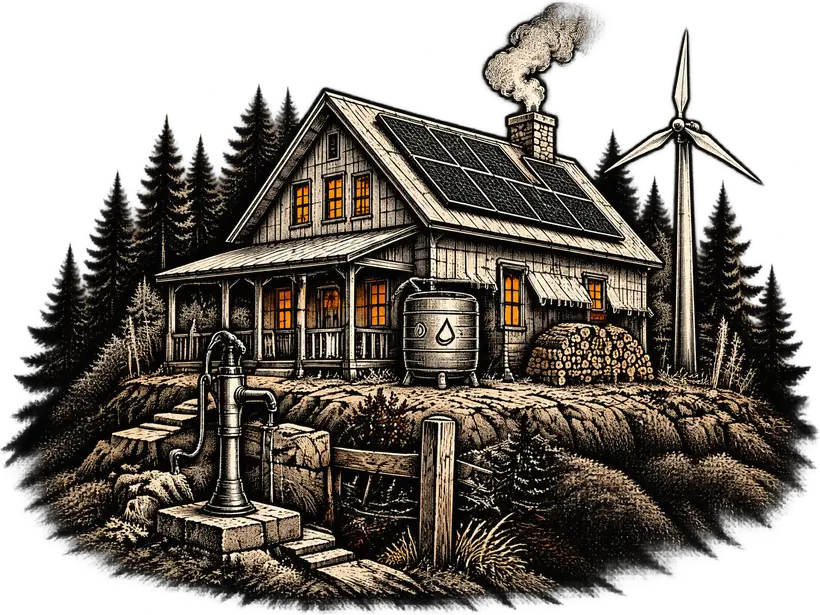 Coming soon
: the homestead game
Build it before you need it. Size it, scrounge the parts, build it, then live through a week with the grid down and see if it holds. Build a rain-to-drinking-water system, a solar station, wood heat and a chimney, a well pump, a food store, and turbines and a battery charger made from salvage. Every build follows real guides, and when something fails, the game tells you why in plain words.
A library that works with no signal
- 185 step-by-step field guides. Purify water, keep the freezer cold, stop pipes freezing, put up a radio antenna.
- The Minuteman Manual.
- How long 661 foods keep, from the USDA's FoodKeeper table.
Try one now.
Heat wave, day two. Your neighbor collapsed mowing; he's confused and his skin is hot. The ambulance is 25 minutes out and the hospital is 20 minutes by car. There's a kiddie pool and a hose in the yard. You:
The instinct to get him to help: twenty minutes in a car is twenty minutes his core stays hot.
Ice packs at the neck, armpits and groin cool far too slowly. They are for when there is no water to put him in.
Sips and an indoor chair cool a body far too slowly, and a confused person can choke.
Heat stroke kills by how long the core stays hot, so cooling starts where he lies, not at the hospital. Cold-water immersion is the fastest way to cool him. Keep his head up and clear of the water, keep cooling until he is clearly more alert or the medics take over, and give nothing by mouth while he is confused.
Brain and organ damage grow with every minute the core stays above about 104°F.
Sources: TB MED 507 and the CDC. Checked against official sources. Not yet reviewed by a licensed professional.
Someone on your street has to go first. Let it be you.
When a disaster is big, help is slow. For the first hours, and sometimes for days, the people who reach you first are the people who live near you. A ready household is a good start. A ready street is how a town gets through it.
Every ready street starts the same way: one neighbor decides not to wait.
You don't need a title, a team or anyone's permission. You don't have to be in charge of anyone, and in Minuteman nobody is. You just have to be the one who knocks first.
Invite the house next door to a potluck. Walk the street together and find the shutoffs. Make sure the neighbor who lives alone has someone checking on them when the power goes out.
It's a responsibility. It's also one you will never regret taking on.
Then open "Meet your neighbors." Everything you need for the first knock is there.
Ready Together is our free guide for neighbors who want to prepare. Read it on the web, or print it for your first meeting.
Wondering whether preparing is worth it? The Case for Preparing is our free book on why it is reasonable, not fear.
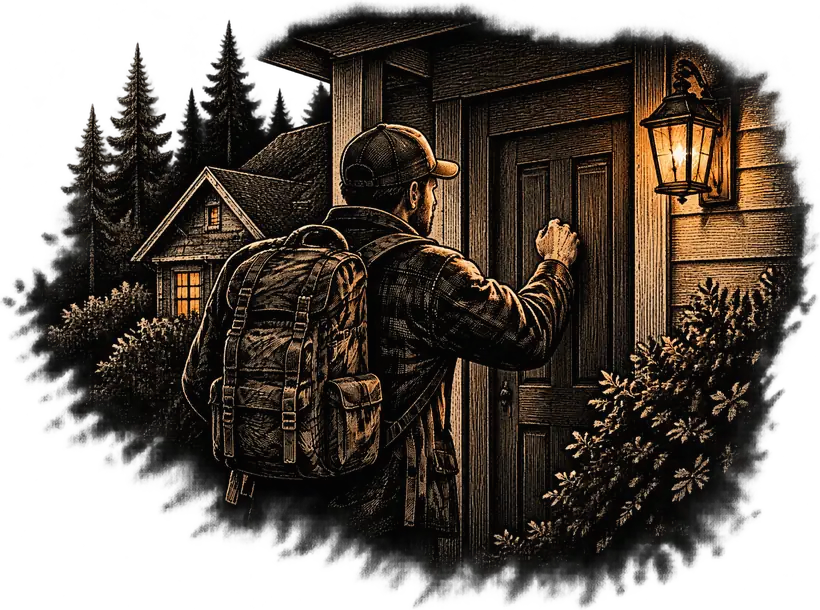
Ready together, step by step.
-
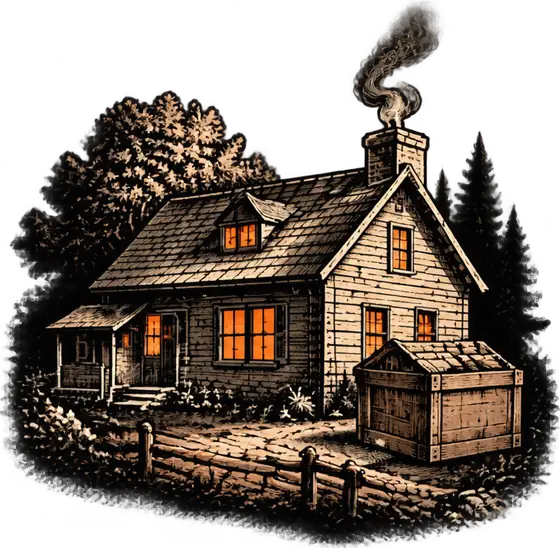
Get your household ready
Training, step-by-step guides, a household plan and a pantry you can check against your household's size. A 60, 90 or 120-day Program takes you through it, a few short sessions a week.
Household sheets are free. The training, the pantry and the Program come with a membershipbuying Minuteman.
-
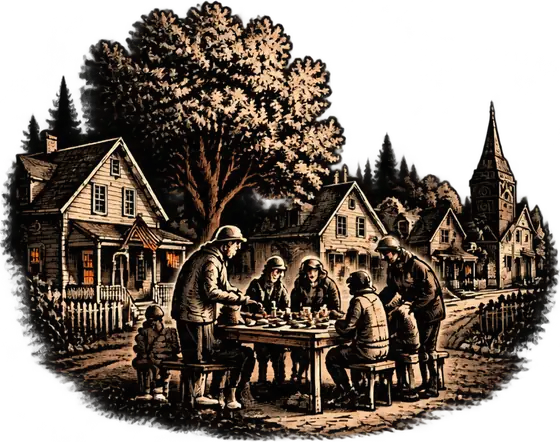
Meet your street
Start with a potluck: Minuteman gives you the invitation, a guide for the first conversation and a starter sheet for each house. Then a printed street book your neighbors fill in by hand: who pairs with whom, who checks on whom in an outage, and where every gas meter, water shutoff and propane tank is. Names and numbers stay on paper.
Look at all of it free; a membershipbuying Minuteman opens it.
-
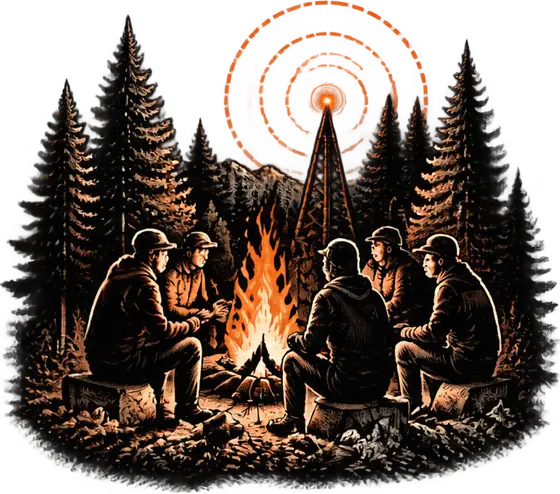
Build your circle, then link up
A circle is a small group that prepares together: family, friends, the house next door. Encrypted messages, shared skills and supplies, drills and written agreements. Two circles can link in person, and circles post open meetups so prepared people in your county can find them.
Starting or joining a circle, and posting meetups, come with a membershipbuying Minuteman.
Block by block, the way towns used to.
American towns once organized block by block for emergencies. Minuteman brings that back and puts it in your pocket.
The library includes the government's 1948 Civil Defense report and the Defense Department's 1994 Manual for Civil Emergencies, with a reader's guide on what still holds today and what has changed. Next to them are 11 current FEMA and U.S. Army manuals, including CERT Basic training, all searchable offline. Reading them comes with a membershipbuying Minuteman.
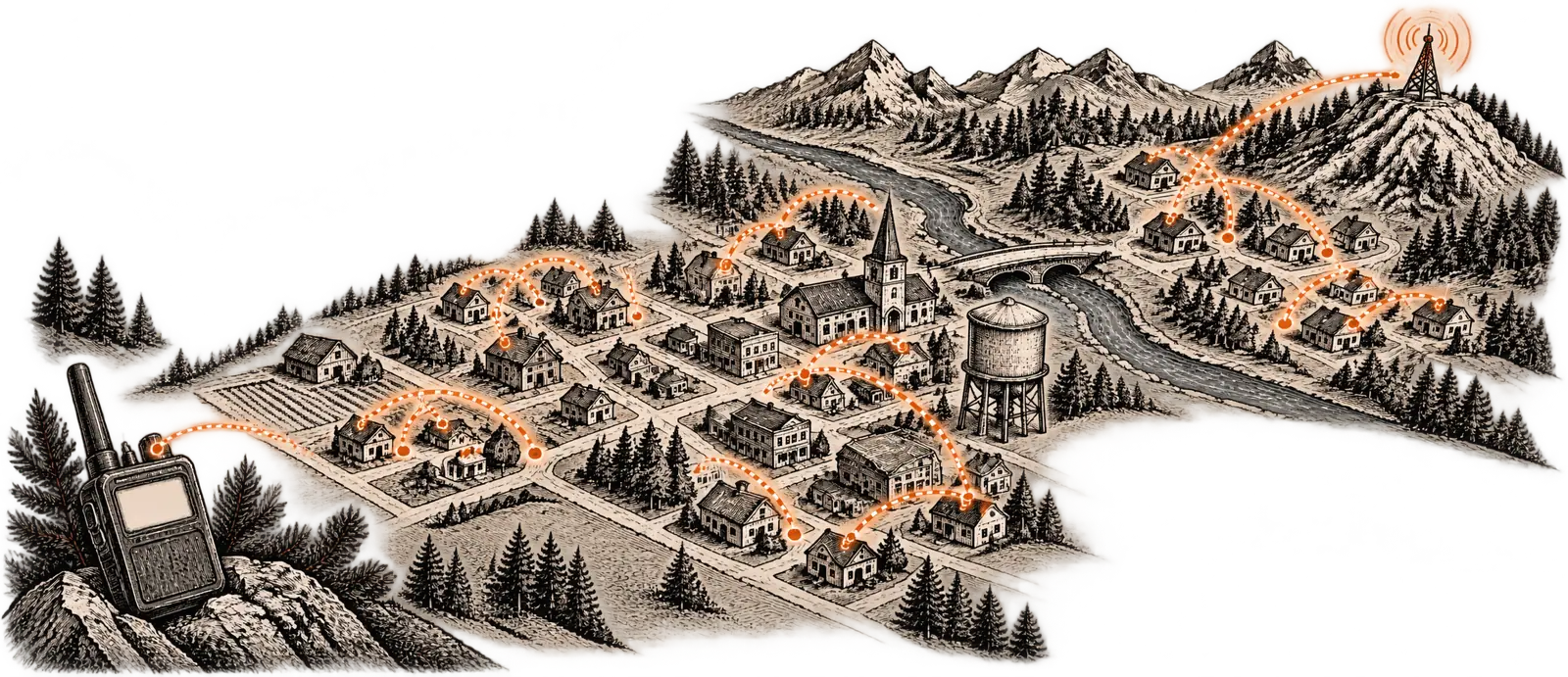
Keep talking when the network goes down.
When the towers go down, pair a low-cost Meshtastic radio and Minuteman sends your circle's messages over the radio mesh, with no cell signal and no internet.
You need a Meshtastic radio (sold separately). Radio pairing works in Chrome on Android phones and computers; iPhone browsers don't allow Bluetooth radios yet.
Pricing.
Browse
$0- Every page, no account
- Open one item on each page, in full
- The SOS signal, whistles and first aid, any time
- Live weather alerts on the web app
- Shirts from the Trading Post
- Nothing is saved until you join
Member
$4.99 a month
$9.99
Launch price: half off for as long as you stay a member. Or
$65 a year.
Everything, kept on your device: start or join a circle and post meetups, your household sheets and encrypted vault, Blackout mode, the calculators, every drill, story scenario, first-aid scene and field guide, the Minuteman Manual, the Civil Defense and Army/FEMA manuals, the Program, and World watch. Coming soon to members: the homestead game.
JoinYours to keep
$9.99 oncePay once. No subscription, nothing renews. Your county's map is included. Books and guides published later come with an optional $2.50 library update, whenever you want one.
Everything, kept on your device: start or join a circle and post meetups, your household sheets and encrypted vault, Blackout mode, the calculators, every drill, story scenario, first-aid scene and field guide, the Minuteman Manual, the Civil Defense and Army/FEMA manuals, the Program, and World watch. Coming soon: the homestead game.
Buy MinutemanPlus tax where it applies. Cancel anytime from Profile → Account.Nothing renews. All sales are final.
Nobody's in charge, and nobody's watching.
-
No leaders, no ranks.
A circle has no admin, no owner and no chain of command. Everyone in it is an equal member. That is built into the app, not left to a policy.
-
Your household's details stay on your device.
Your pantry, medicines and plans are encrypted on your phone. We never see them.
-

Circle messages are end-to-end encrypted.
Our server only ever holds scrambled text.
-
No venture capital.
Nobody pays for Minuteman by selling your data or your attention.
Where the steps come from
Every drill card names its sources. The guides are checked against official material: FEMA, U.S. Army field manuals, the USDA, and Stop the Bleed.
Checked against official sources. Not yet reviewed by a licensed professional. Minuteman is training, not a replacement for a first-aid class or a doctor's advice. It is not affiliated with or endorsed by any of these agencies.
Questions.
Does it really work offline?
Yes. You need a connection once, to make your account. After that the app and your plans work with no signal, even in airplane mode. The Offline library lets you choose what else to keep on your phone.
Can I cancel?
Anytime, from Profile → Account → Manage membership.
Is it a subscription?
No. You pay once and keep it. A library update is optional, and nothing renews.
Do I need a county map?
No. The manuals, field guides, drills and household plans work without one. Your own county's map comes with the purchase, and each further county is $1.99, paid once.
iPhone or Android?
Both, and computers too. It runs in your browser. Add it to your home screen and it opens like an app. Radio pairing needs Chrome on Android or a computer.
What do you keep about me?
As little as we can: your email,your handle (we never ask for an email), your account, progress numbers, and what the Circle and your membership needyour purchase need to work. Your household's details stay encrypted on your device, and your street's names and numbers stay on paper. The Privacy Policy lists all of it.
Do I have to buy gear?
No. Nothing in Minuteman makes you buy something to finish it. Missions end with a check of what you already have. The only extra purchase is a radio, if you want the mesh.
Is this a doomsday-prepper app?
No. It starts with what most neighborhoods will actually face: a week without power, a winter storm, a smoke day, a cut that won't stop bleeding. Neighbors helping neighbors.
Why the name Minuteman?
In 1775 the minutemen were ordinary townspeople, farmers and shopkeepers, who promised to be ready at a minute's notice. We mean the readiness. Minuteman takes no side in politics or religion, and a circle stays out of both.
What if my neighbors aren't into this?
Start with a potluck, not a speech. The neighbor kit has the invitation and a guide for the first conversation. One other household is enough to start a circle.
Who runs a circle?
Nobody. Circles have no leaders, ranks or admins. Every member is equal.
Be ready when it counts.
No card needed to look around.